

Picture this: settlement day arrives, the buyer walks through the property, and a dispute breaks out over the dishwasher, the curtains, or the TV bracket on the wall. In Queensland, the line between fixtures and chattels decides what stays and what goes, and getting it wrong can stall your settlement.
This tutorial breaks down the legal difference between fixtures and chattels, then works through the grey areas sellers ask about most: dishwashers, light fittings, TV brackets, pool equipment, garden sheds, solar panels, curtains and blinds. You will also see how the REIQ residential contract records included chattels and excluded fixtures, how to write those lists precisely, how to avoid a dispute at the pre-settlement inspection, and what Queensland sellers should do before listing. In Queensland the answer comes from the general law on fixtures and from the REIQ contract the buyer and seller sign; other states use different contracts and rules. For the disclosure side of a sale, see our seller disclosure page. If a fixtures dispute arises, SearchX Legal can help. This is general information, not legal advice.
Fixtures vs chattels in Queensland: the legal difference
In Queensland, a fixture is an item attached to the land or building, or installed so it becomes part of the property. Fixtures transfer to the buyer automatically at settlement, and a seller keeps one only if the contract expressly excludes it.
A chattel is movable and can be taken away without damaging the property. Chattels stay with the seller unless the contract lists them as included in the sale.
Three practical questions separate the two:
How is the item fixed?
Does removing it damage the property or leave it unusable?
Was it installed as part of the home?
A freestanding appliance is a chattel, while a plumbed or hardwired version usually is not.
The table below sets out where common items usually sit, but that is a starting point rather than a rule.
Fixtures (usually stay) | Chattels (usually go) |
|---|---|
Built-in wardrobes | Fridges |
Plumbed, built-in dishwashers | Washing machines |
Light fittings wired into the home | Freestanding furniture |
Curtain rods and brackets | Pot plants |
TV wall brackets | Pool nets, poles, robotic cleaners |
In-ground pool and spa structure | The television itself, removable outdoor settings |
This is a long-standing property law distinction applied to a specific contract, so the answer for any single item depends on that contract's wording. Understanding the Queensland conveyancing process shows where these lists fit. Treat this as general information and confirm the position with a licensed Queensland conveyancer or solicitor.
Why the fixture and chattel lists decide how settlement goes
Once you know which way an item leans, the contract does the rest of the work. The Included Chattels and Excluded Fixtures fields in the reference schedule are where the contract records what stays and what goes, and anything a buyer expects but the contract does not record becomes a gap that only surfaces on inspection day.
Most disputes here are not caused by bad faith. Sellers assume curtains, the dishwasher and the pool robot are obvious inclusions; buyers assume the same. Neither has written it down, and the assumption diverges.
That is why these items are worth settling early, before a property is listed. Answers given early flow straight into the contract, rather than triggering an amendment after signing.
Where a listed item is missing, damaged or swapped for another model, the buyer can raise it before settlement. That can create friction around the settlement date or lead to a price adjustment, and unresolved gaps can resurface later, as we cover in when problems appear after settlement.
The list protects sellers too. An item recorded in neither field keeps its default status, so an unlisted chattel remains the seller's to take. Precise wording now avoids reopening these questions during the Queensland property transfer process.
Dishwashers, light fittings and TV brackets: fixture or chattel?
With the lists carrying so much weight, it pays to get the borderline items right.
Dishwashers: A freestanding or portable dishwasher is a chattel. A built-in unit plumbed into the cabinetry and fixed in place sits at the fixture end of the range. If the seller is keeping a built-in unit, exclude it in the contract and state what is left behind.
Light fittings: Fittings wired into the home generally pass with the property. Lamps that plug into a socket generally do not. Smart switches, sensors and dimmers are wired in, so name any specific fitting the seller intends to take and describe the replacement.
TV brackets: A bracket screwed into a wall sits at the fixture end. The television itself is a chattel. If the TV is leaving, list it as an excluded item and state whether the bracket stays.
The underlying test asks how firmly an item is fixed and why it was fixed there (the degree and purpose of fixing).
Write each line with the item, the room and the status. "TV bracket, master bedroom, included" is workable at a pre-settlement inspection. "Wall mount" on its own is not.
Pool equipment, garden sheds and solar panels: fixture or chattel?
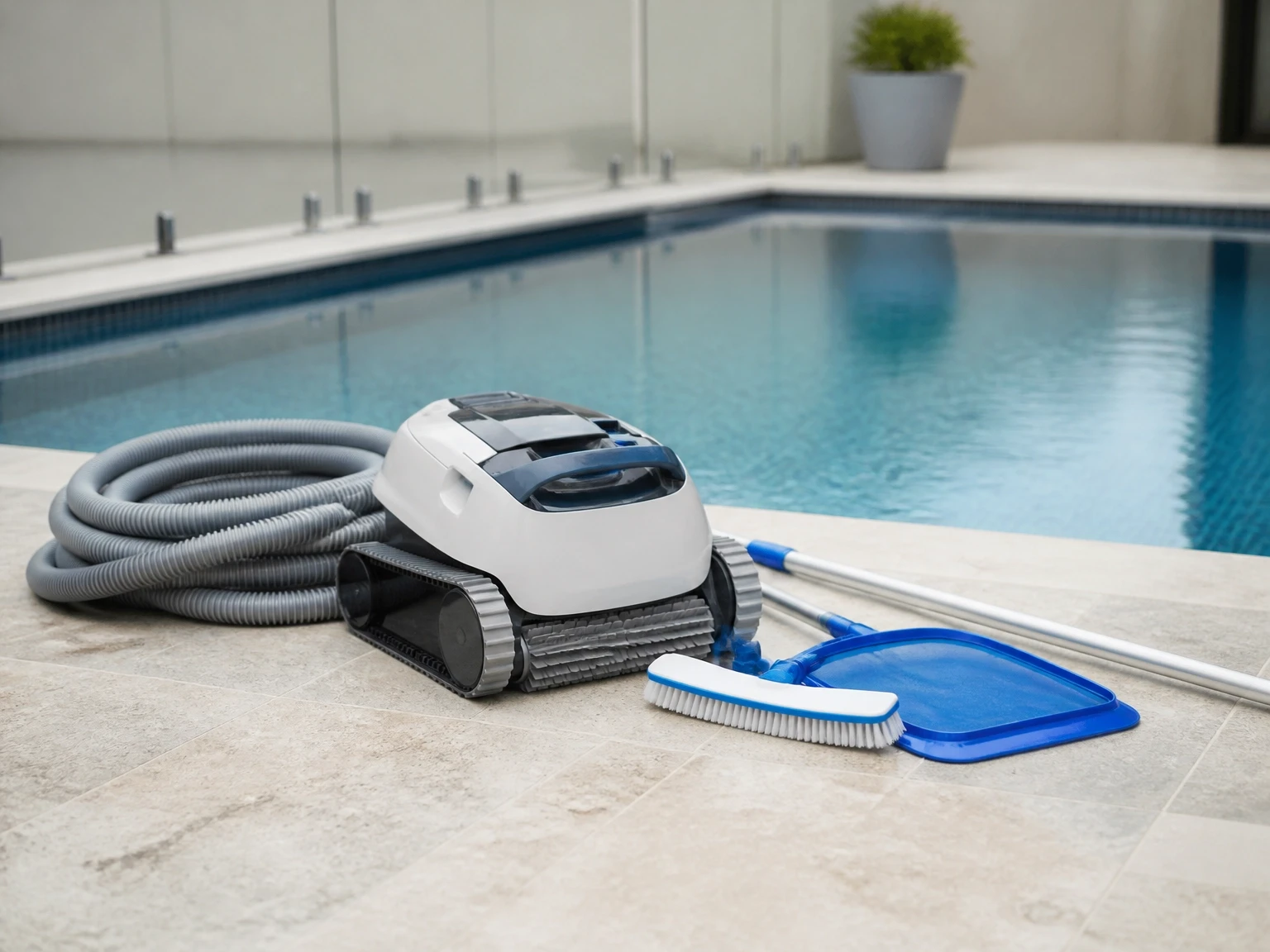
Beyond dishwashers and wall brackets, three outdoor categories cause most settlement confusion.
Pool equipment and the pool structure sit on opposite sides of the line. Nets, poles, vacuum heads, hoses and robotic cleaners are movable and nearly always chattels. If a buyer expects them, list each as an included chattel rather than relying on assumption. The in-ground pool structure and fixed infrastructure, such as a pump on a pad, filters and hardwired lighting, sit at the fixture end because removing them would damage or disable the property.
A prefabricated garden shed resting on the ground is movable. One bolted to a concrete slab, fixed down or wired to power is generally a fixture. State which shed is going and what happens to the slab or base.
Solar panels and inverters mounted to a roof or wall are generally treated as fixtures and pass with the property. Where a system is leased or financed, check how the arrangement affects the sale before the contract is signed, because what the buyer takes on may not be limited to the hardware. Confirm terms with the system provider or your conveyancer early, and record the agreed outcome in the contract so it does not resurface at settlement.
Curtains and blinds sit on the same line, and they are next.
Curtains and blinds: the greyest area in the contract
Window coverings sit on the same line as the shed or the solar system: part fixture, part chattel. Rods, tracks, rails and brackets screwed into a wall or ceiling are generally fixtures, because removing them leaves holes and marks behind. The fabric panels and removable blinds that hang from them are often treated as chattels.
Practice varies between sellers, buyers and agents, so do not assume a buyer will read hanging curtains as part of the sale. List window coverings room by room, stating included or excluded. If particular curtains matter to you, exclude them in the contract and say what is left in their place, such as plain blinds refitted before settlement.
Fixed shutters, security screens, flyscreens and frame-mounted blinds are more likely to be treated as fixtures, being attached to the frame rather than hung from it. Name them if they are going with you. On a tenanted property, check what belongs to the tenant before promising any window covering to a buyer.
Where you are unsure, the answer is the same: put it in writing in the contract rather than relying on what a reasonable person would assume.
How the REIQ contract records included chattels and excluded fixtures
Once the window coverings are settled in writing, the contract gives you the two places to record every other decision.
The REIQ residential contract of sale Reference Schedule carries two dedicated fields: Excluded Fixtures and Included Chattels. Each is marked to attach an annexure for additional space, so longer or room-by-room lists use an annexure to the contract.
Use Excluded Fixtures for items that would otherwise pass with the property, and Included Chattels for movable items the buyer expects to receive. Anything left off both fields falls back to its fixture or chattel status.
The item lists and the seller disclosure statement are both prepared before settlement, so they need to line up. SearchX compiles Form 2 seller disclosure statements for Queensland residential, commercial and body corporate properties, running the required searches and delivering the statement ready for signing. That keeps the disclosure side in one place rather than assembled piecemeal. See what a compliant disclosure statement includes, or work through the Form 2 checklist for sellers alongside it.
Other states and territories run their own contracts and disclosure rules, so treat Queensland terminology and defaults as Queensland specific.
How to write the included chattels and excluded fixtures lists precisely
With the fields and annexure settled, the wording itself decides whether inspection day runs smoothly. Use one fixed format for every line: item, location, make and model, and included or excluded. 'Miele freestanding dishwasher, kitchen, included' and 'Pendant light, dining room, excluded, replaced with standard ceiling light' show the pattern.
Avoid category words on their own. 'All blinds' and 'pool equipment' can each be read several ways, so number the list by room. That removes the ambiguity before it becomes an argument.
Record quantity and working condition: two curtain rods, four blinds, one pool robot, one wall bracket. Quantity disputes are among the easiest to prevent and the most tedious to resolve.
Where an item is being swapped, state the replacement. If a light fitting leaves and another is fitted in its place, the buyer should know what they will inspect.
Finally, check the contract lists against the marketing material, photographs and floor plan notes for the listing, and against your Form 2 disclosure. If a photo shows an item the contract does not mention, fix the wording before signing. Keeping these documents aligned is part of getting the disclosure right.
Avoiding a dispute at the pre-settlement inspection
Once the lists are signed, the job is making the property match them. Before the inspection, walk each room against the contract and confirm every included item is present, in the position described, and working. Test anything that runs on water or power, from the dishwasher to the pool pump, and use our pre-settlement walk-through checklist to work room by room.
If an included appliance fails between contract and settlement, repair or replace it, or tell the buyer's representative in writing before the inspection. A buyer who discovers a dead oven is far harder to resolve than one told in advance.
Where an item is missing or has been substituted, contact the conveyancer as soon as it is noticed. Most fixes are straightforward when agreed quietly. The same issue raised on settlement day can hold up settlement.
Leave the practical accessories with each included appliance: manuals, remote controls, keys, and receipts for any servicing or replacement during the contract period. These small items are often forgotten in the move and cause avoidable friction.
Keep the lists realistic and current. Late changes, or items removed without notice, tend to be where inspection-day friction starts.
What Queensland sellers should do before listing

Treat this as your pre-listing checklist, and start with the two sections above that do the heavy lifting: the writing rules in How to write the included chattels and excluded fixtures lists precisely, and the room-by-room method in Avoiding a dispute at the pre-settlement inspection. Keep the contract lists aligned with the Form 2 disclosure paperwork prepared under the Property Law Act 2023. Our Queensland compliance checklist before listing helps you line up those documents. If a buyer disputes an item after settlement and you need help, SearchX Legal can assist.
This is general information only, not legal advice. Confirm your contract and any disputed item with a licensed Queensland conveyancer or solicitor.
Conclusion
The fixture and chattel distinction comes down to one question: does the item stay with the land? Fixtures stay unless expressly excluded. Chattels leave unless listed as included. Precision is everything. Before listing, match your contract lists to the Form 2 seller disclosure statements prepared under the Property Law Act 2023, then re-check both lists at the pre-settlement inspection. Start with the Queensland compliance checklist before listing. Clear lists now protect your settlement later. SearchX Legal is there if a dispute arises after settlement.