
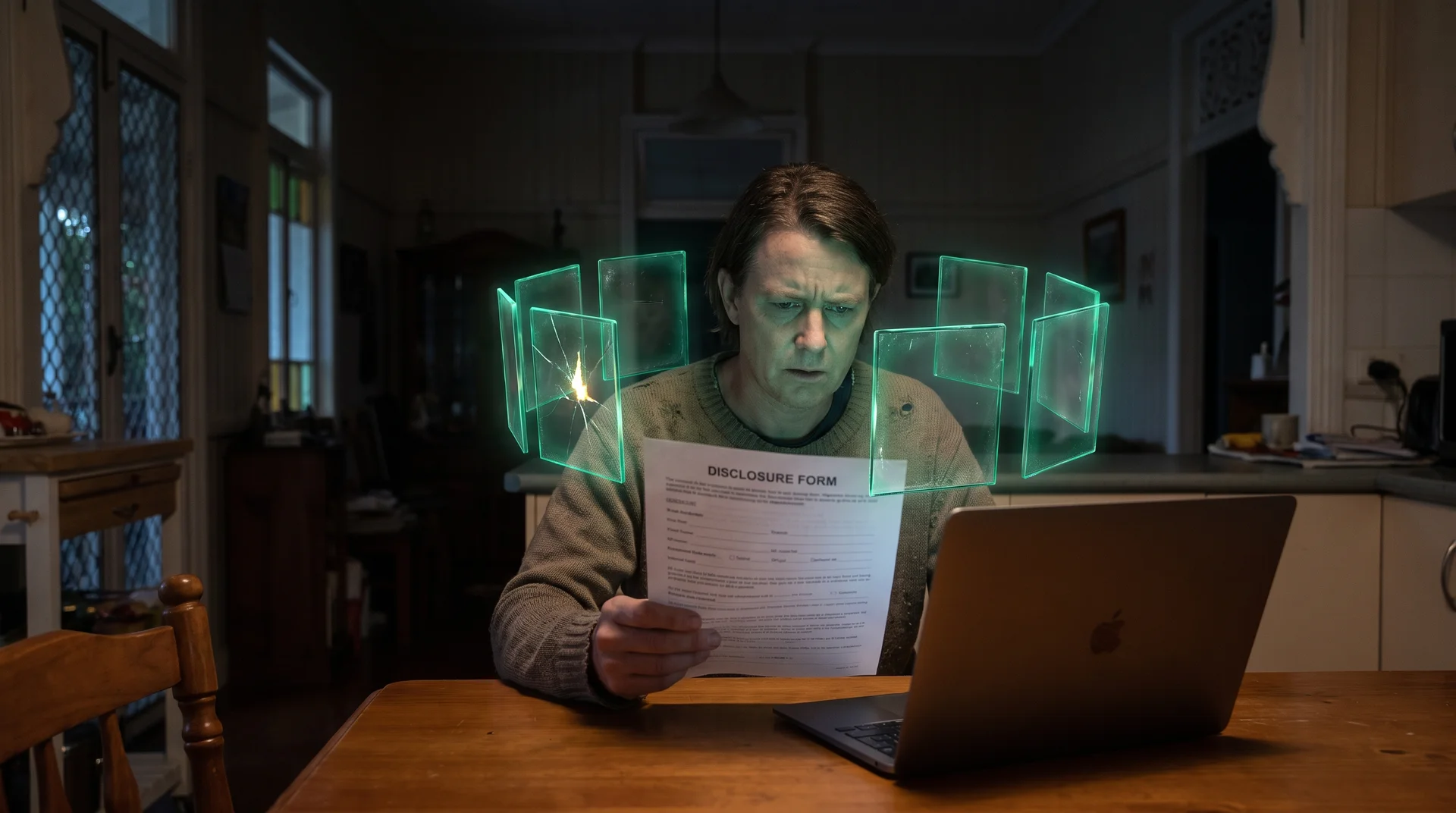
Queensland's 2025 Property Law Regime didn't just add paperwork - it fundamentally shifted liability onto sellers and the agents who advise them. What once was a simple formality is now a legal minefield where one oversight can vaporise months of work.
Here are the five most expensive mistakes we're seeing across Queensland right now:
Mistake #1: The "Not Applicable" Trap
The Error: Ticking "not applicable" as a precedent but not backing it up with searches to substantiate the response.
The Reality: That "simple" stormwater or sewerage statutory encumbrance in your backyard? It could restrict where you build a pool, extend your deck, or even landscape. Buyers' solicitors are now specifically hunting for these omissions.
The Cost: Termination rights, renegotiation demands or future litigation.
Mistake #2: Outdated Title Searches
The Error: Using a title search from when you bought the property - sometimes years old.
The Reality: New encumbrances, caveats or registered interests are not properly disclosed. Whilst it may not seem like much, the Title Search is a prescribed certificate, and for the sake of $30.00 to obtain a new one, there is no logical excuse for taking a shortcut and using old searches.
The Cost: If the prescribed certificate is not the most current version, the buyer can terminate the contract.
Mistake #3: The "Verbal Assurance" Documentation Gap
The Error: Relying on memory, verbal advice from previous owners, or "what the agent told me" instead of documented evidence.
The Reality: The Courts don't care what someone said. They care what's documented. The fact you don’t remember hearing (back when you purchased the property) whether the land was on the contaminated register or whether the Council records were all in order, is not good enough – only a search can confirm the responses on the Form 2.
The Cost: Whilst we are only 6 months into the property law regime, there is no question that non-disclosure claims will eventually surface - years after sale.
Mistake #4: Body Corporate Blind Spots (For Unit Sellers)
The Error: Assuming the body corporate manager has provided everything or that the form they prepared is correct.
The Reality: Special levies, pending litigation, insurance disputes and sinking fund deficits all require disclosure. Most unit sellers don't even know these documents exist, let alone how to obtain them and/or how to interpret them.
The Cost: A contractual right to terminate – regardless of whether the contract is unconditional or not.
Mistake #5: The "Good Enough" Certification
The Error: Thinking a solicitor's quick review or an online form that only orders searches if you say ‘YES’ or ‘unknown’ provides adequate protection.
The Reality: Every property is different and we have seen hundreds of clients already who did not know the answer to the questions we ask them, only for us to unearth matters (by way of search) that they were genuinely unaware existed and needed disclosing.
The Cost: Professional negligence claims as well as simple reputational damage for the agents who recommended a seller disclosure provider or conveyancer who cut corners.
The Real Price of Getting It Wrong
It's not just about losing one sale. The cascading effects include:
Reputational damage for agents who recommended the DIY path;
Professional indemnity claims when sellers blame their advisor;
Wasted marketing costs when deals collapse late in the process;
Price erosion when properties re-enter the market as "stale" listings; and potentially
Regulatory scrutiny from the Office of Fair Trading.
The Alternative: Professional-Grade Protection
SearchX was built specifically for this new legal landscape. Our reports aren't just forms - they're comprehensive, legally-reviewed disclosure packages that protect everyone in the transaction.
Verified data from current searches and authoritative sources;
Legal review by property law specialists;
FAST turnaround that keeps your sale moving; and
Agent protection through visibility and a transparent professional process.
Because in 2025's Queensland property market, "good enough" isn't good enough anymore.
Ready to protect your next sale? Request a SearchX Seller Disclosure Report or Learn more about our process
FAQs
Can I prepare my own Form 2 disclosure in Queensland?
You can, but the Property Law Regime shifted liability onto sellers and the agents who advise them. The five mistakes above - the "not applicable" trap, outdated title searches, relying on memory, body corporate blind spots, and "good enough" certification - are the most expensive ways a DIY pack goes wrong.
Why can't I reuse the title search from when I bought the property?
The title search is a prescribed certificate. New encumbrances, caveats or registered interests since purchase will not be disclosed, and for the sake of around $30 to obtain a current one there is no logical reason to use an old search. If the prescribed certificate is not current, the buyer can terminate the contract.
Is ticking "not applicable" on the Form 2 safe if I'm not sure?
No. Ticking "not applicable" without searches to substantiate it is the most common DIY error. A "simple" stormwater or sewerage statutory encumbrance can restrict where you build or landscape, and buyers' solicitors are specifically hunting for these omissions.
What does a DIY disclosure mistake actually cost?
It is rarely just one lost sale. The cascading effects include reputational damage for the recommending agent, professional indemnity claims, wasted marketing costs, price erosion when the property re-enters the market as a stale listing, and potential Office of Fair Trading scrutiny.
Are unit sellers more exposed?
Often, yes. Special levies, pending litigation, insurance disputes and sinking fund deficits all require disclosure, and most unit sellers do not know these documents exist, let alone how to obtain or interpret them. The result is a contractual right to terminate regardless of whether the contract is unconditional.
FAQs
Can I prepare my own Form 2 disclosure in Queensland?
You can, but the Property Law Regime shifted liability onto sellers and the agents who advise them. The five mistakes above - the "not applicable" trap, outdated title searches, relying on memory, body corporate blind spots, and "good enough" certification - are the most expensive ways a DIY pack goes wrong.
Why can't I reuse the title search from when I bought the property?
The title search is a prescribed certificate. New encumbrances, caveats or registered interests since purchase will not be disclosed, and for the sake of around $30 to obtain a current one there is no logical reason to use an old search. If the prescribed certificate is not current, the buyer can terminate the contract.
Is ticking "not applicable" on the Form 2 safe if I'm not sure?
No. Ticking "not applicable" without searches to substantiate it is the most common DIY error. A "simple" stormwater or sewerage statutory encumbrance can restrict where you build or landscape, and buyers' solicitors are specifically hunting for these omissions.
What does a DIY disclosure mistake actually cost?
It is rarely just one lost sale. The cascading effects include reputational damage for the recommending agent, professional indemnity claims, wasted marketing costs, price erosion when the property re-enters the market as a stale listing, and potential Office of Fair Trading scrutiny.
Are unit sellers more exposed?
Often, yes. Special levies, pending litigation, insurance disputes and sinking fund deficits all require disclosure, and most unit sellers do not know these documents exist, let alone how to obtain or interpret them. The result is a contractual right to terminate regardless of whether the contract is unconditional.