
Introduction
One of the most common questions property owners ask is, “How much is my house worth?” Whether you are planning to sell, refinance, or simply understand your financial position, an accurate property valuation is essential.
In Australia’s evolving property market, valuation is no longer just about recent sales. For Queensland sellers especially, new disclosure obligations mean that compliance, risk factors, and documentation can directly influence buyer confidence and final sale price. This guide explains how property valuations work, what affects your home’s value, and how to ensure your valuation reflects reality.
Why Does Accurate Valuation Matter?
An accurate valuation sets the foundation for every property decision. Overpricing can lead to long days on market and failed negotiations. Underpricing can mean leaving significant money on the table.
Accurate valuations help:
Sellers price competitively
Buyers make informed offers
Lenders assess borrowing capacity
Investors measure performance and risk
In Queensland, inaccurate valuations can also clash with seller disclosure requirements, creating misalignment between what is marketed and what is legally disclosed.
Factors That Impact Your Property’s Value
No two properties are valued exactly the same. Some of the most influential factors include:
Location: suburb demand, school zones, transport access
Property type: house, unit, townhouse, or acreage
Land size and zoning: development potential or restrictions
Condition: age, renovations, maintenance, defects
Market conditions: supply, demand, interest rates
In Queensland, additional factors such as flood overlays, heritage listings, easements, and body corporate obligations can materially affect value. These factors are often revealed through searches and disclosures rather than physical inspections alone.
Ways to Find Your Property’s True Value
Online Valuation Tools
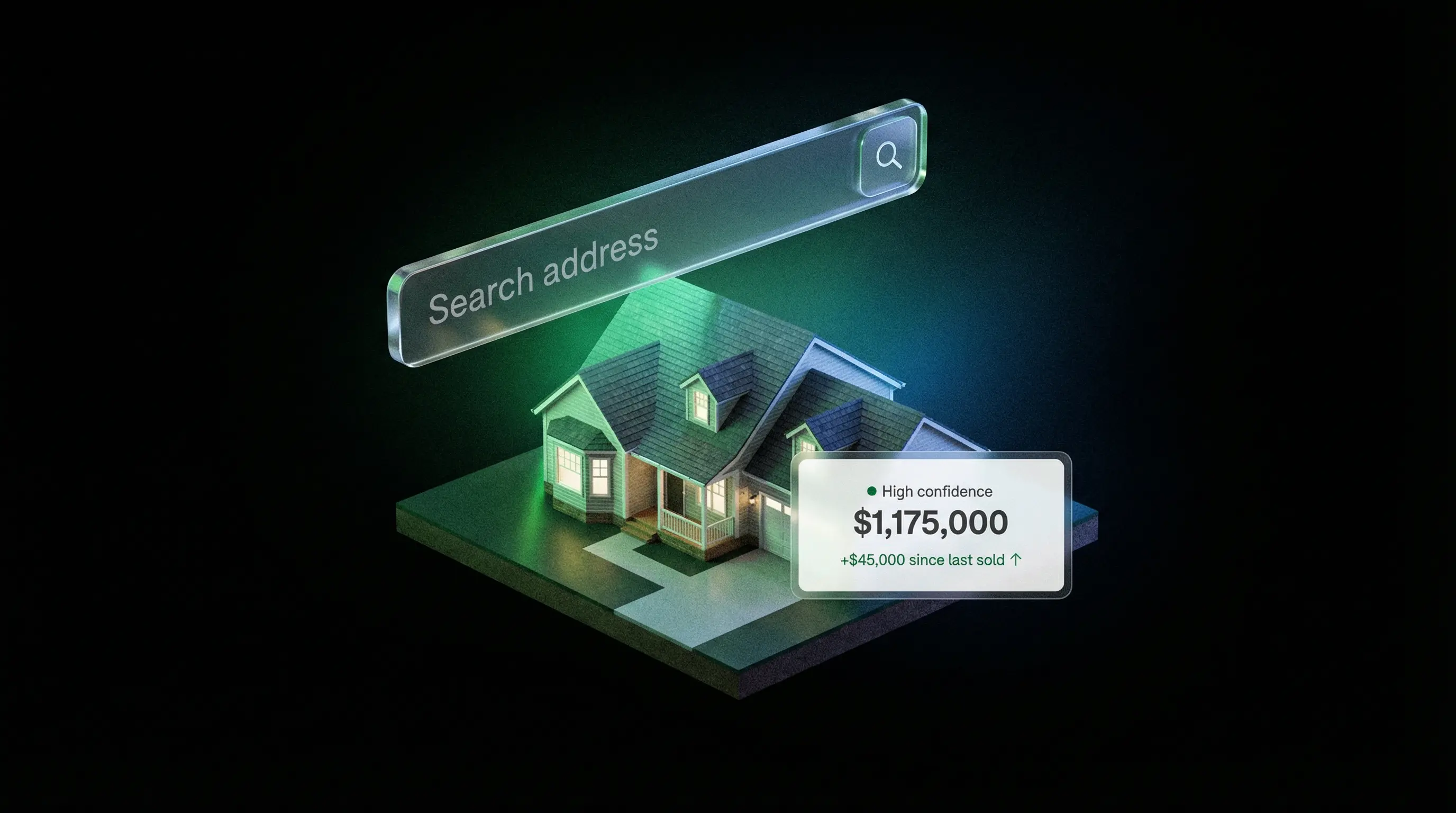
Online valuation tools provide instant estimates based on recent sales data and algorithms. They are useful for a broad price range but often fail to account for:
Property condition
Unique features or defects
Compliance issues or restrictions
These tools should be treated as a starting point, not a final answer.
Real Estate Agent Appraisals
Agents provide market appraisals based on comparable sales and buyer demand. Their strength lies in local market knowledge and buyer behaviour.
However, appraisals may be optimistic, especially if disclosure risks or compliance issues have not been identified early. A valuation that ignores known issues may attract buyers initially, but negotiations often fall apart later.
Professional Valuations
Certified valuers provide formal, independent valuations commonly used for:
Refinancing
Family law matters
Probate and estate planning
They are highly detailed and conservative, but also come at a cost and may not reflect short-term market sentiment.
QLD-Specific Valuation Impacts
Queensland property valuations are increasingly influenced by compliance and disclosure factors under the Property Law Act 2023.
Buyers now review disclosure documents before signing contracts, which means issues such as:
Flood risk
Unapproved structures
Body corporate liabilities
Environmental or planning notices
can directly affect perceived value.
This is where platforms like SearchX play a critical role. By surfacing title searches, plans, zoning data, body corporate certificates, and other prescribed information early, SearchX helps sellers understand how compliance factors may influence buyer pricing expectations.
A property that appears valuable online but reveals risks during disclosure often sells below expectation or fails to settle. Early visibility protects value.
How Disclosure Impacts Market Value
Disclosure does not reduce value by default, but surprises do. When buyers discover undisclosed risks late, they negotiate harder or terminate contracts altogether.
Using SearchX allows sellers to:
Identify value-impacting risks early
Align valuation expectations with disclosure reality
Avoid overpricing that leads to failed sales
This transparency builds buyer trust and supports stronger, more defensible pricing.
Conclusion
There is no single answer to “How much is my house worth?” Accurate valuation comes from combining market data, professional insight, and a clear understanding of legal and compliance factors.
In Queensland’s current environment, valuations that ignore disclosure risks are incomplete. Whether you use online tools, agent appraisals, or professional valuers, ensuring your valuation aligns with verified property records is essential.
By using SearchX to uncover compliance considerations early, sellers can price with confidence, reduce negotiation friction, and protect the true value of their property.
Frequently Asked Questions
How can I find out what my house is worth?
There are three main routes: online valuation tools, real estate agent appraisals, and professional valuations from certified valuers. Online tools give an instant estimate from recent sales data. Agent appraisals bring local market knowledge and buyer behaviour. Certified valuations are formal and independent, and are commonly used for refinancing, family law matters, and probate.
Are online property valuation tools accurate?
They provide a useful broad price range, but often fail to account for property condition, unique features or defects, and compliance issues or restrictions. Treat them as a starting point, not a final answer.
What affects a property's value in Queensland?
Location, property type, land size and zoning, condition, and market conditions all apply. In Queensland, additional factors such as flood overlays and planning notices also matter, because buyers now review disclosure documents before signing.
Does seller disclosure affect what my property is worth?
Disclosure does not reduce value by default, but surprises do. When buyers discover undisclosed risks late, they negotiate harder or terminate contracts altogether. Identifying value-impacting risks early supports stronger, more defensible pricing.